 FEATURE STORY
STORY 001 · Culture Through Function
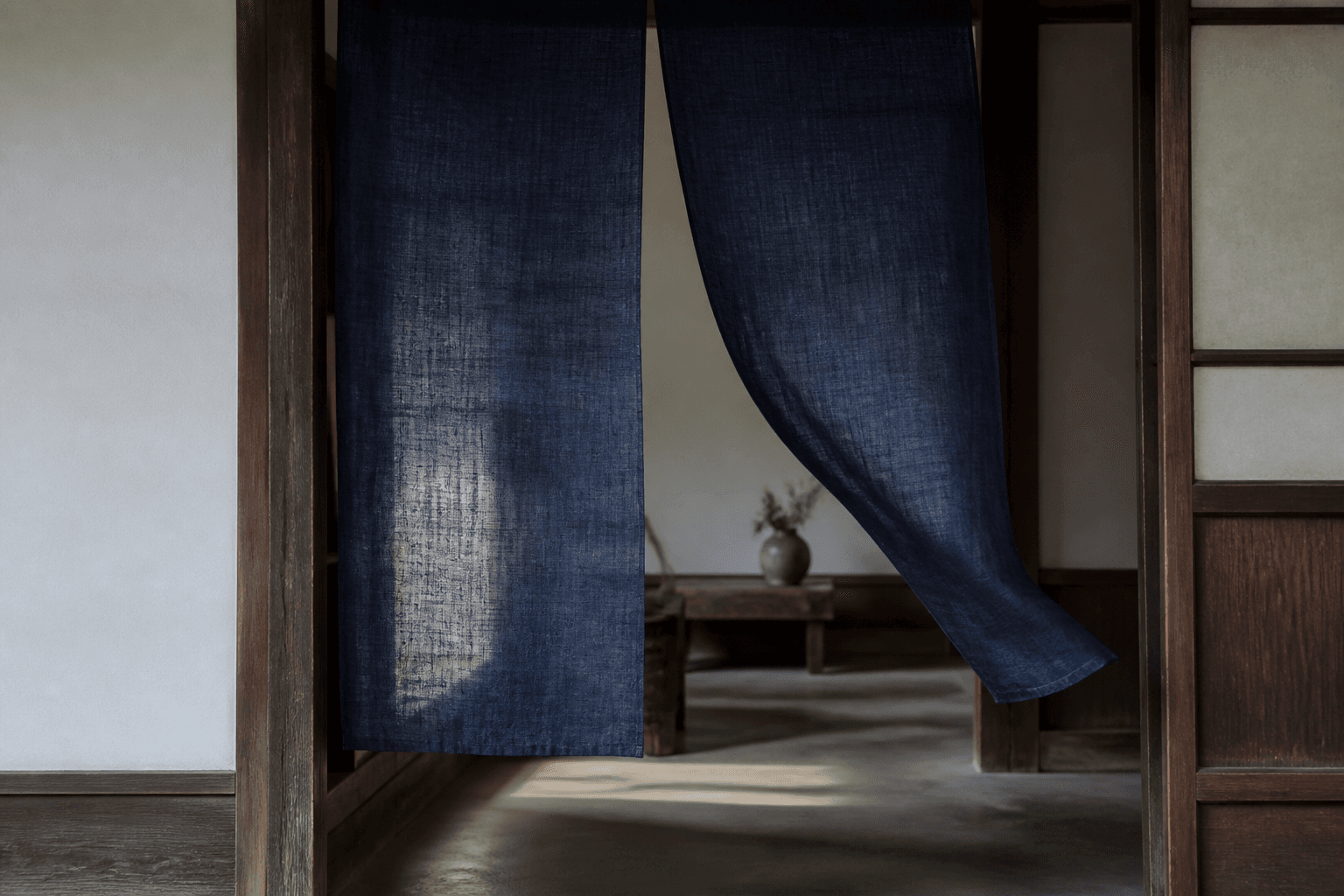
Why a Noren Is Not Just a Curtain
のれんは、ただの布ではない
A door is either open or closed. A noren creates a third state: a threshold that protects, signals, and welcomes at the same time.
A threshold can feel welcoming without becoming a closed door.
Shun Ito
Editor, Mono StoriesTokyo & Aichi, Japan
9 min read
Read the cover story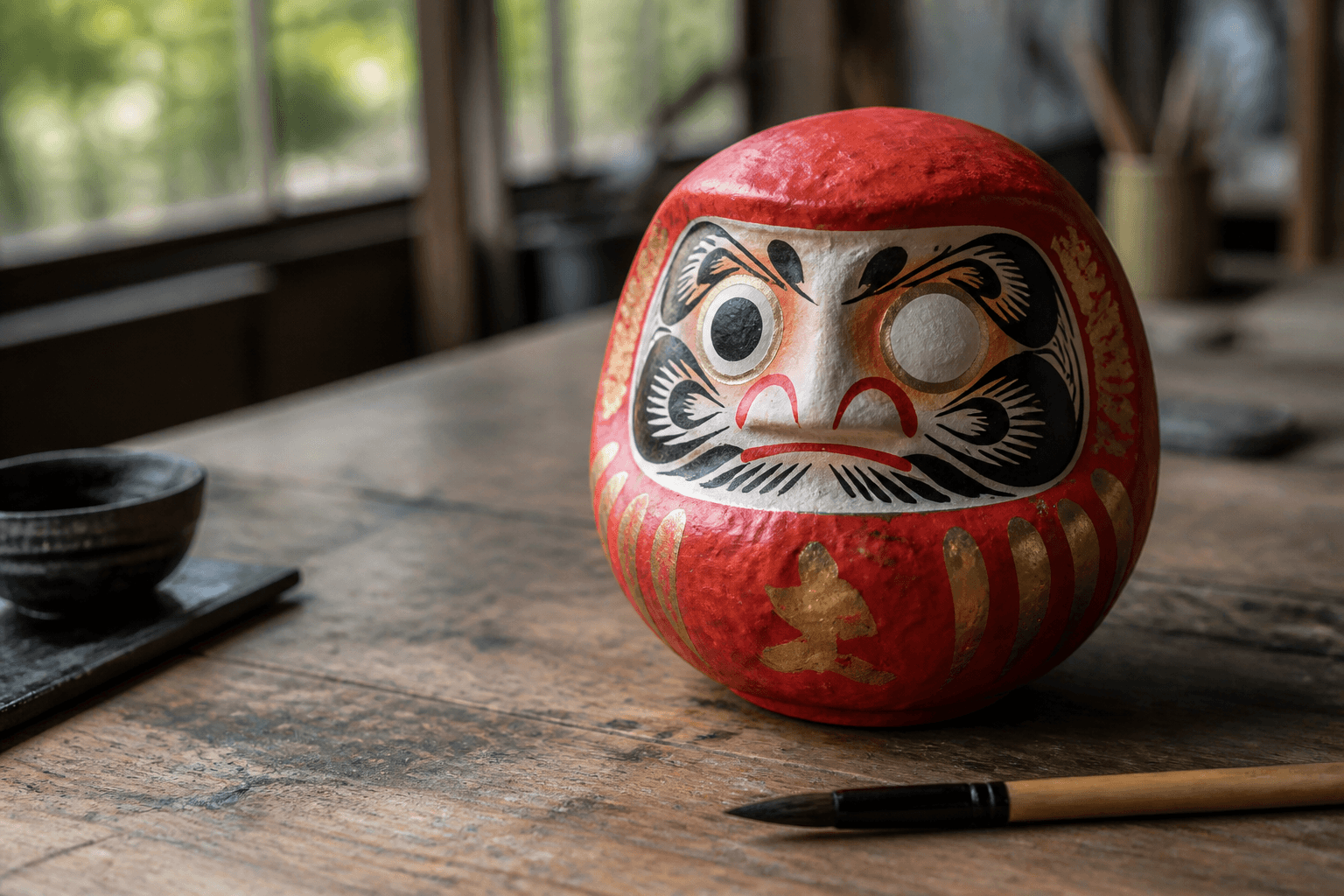
Culture Through Function · STORY 003
だるまと約束の心理学
A one-eyed daruma turns an invisible intention into an object that remains visibly unfinished.
A familiar act of setting a goal becomes a physical reminder that can remain in view.
Takasaki, Gunma · 9 min read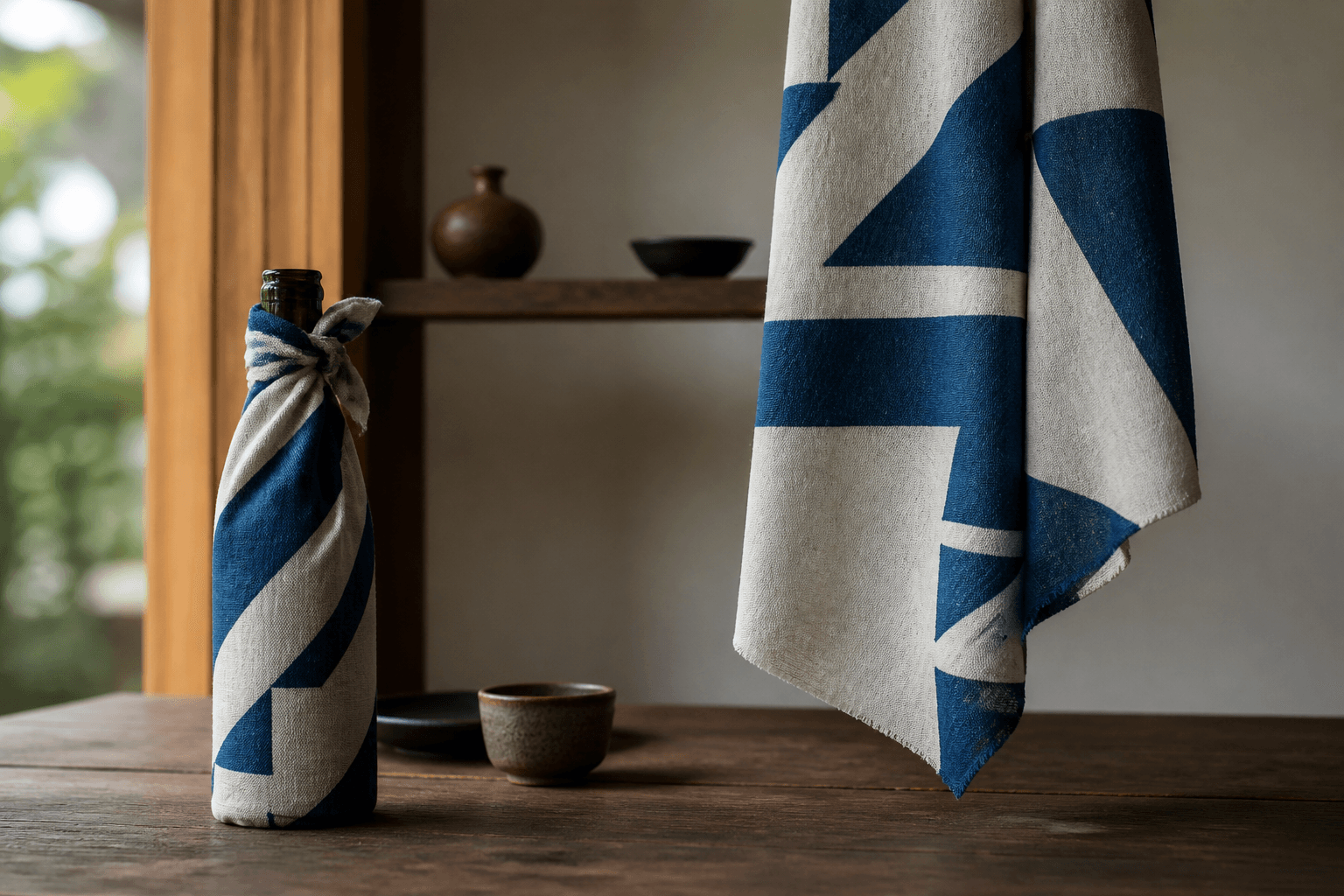
Culture Through Function · STORY 006
一枚の布に、用途を決めすぎない
Where modern products specialize, the tenugui stays thin, open-ended, and useful precisely because it is not optimized for one task.
The repeated need for a useful cloth fits a textile designed for many jobs.
Tokyo, Japan · 9 min read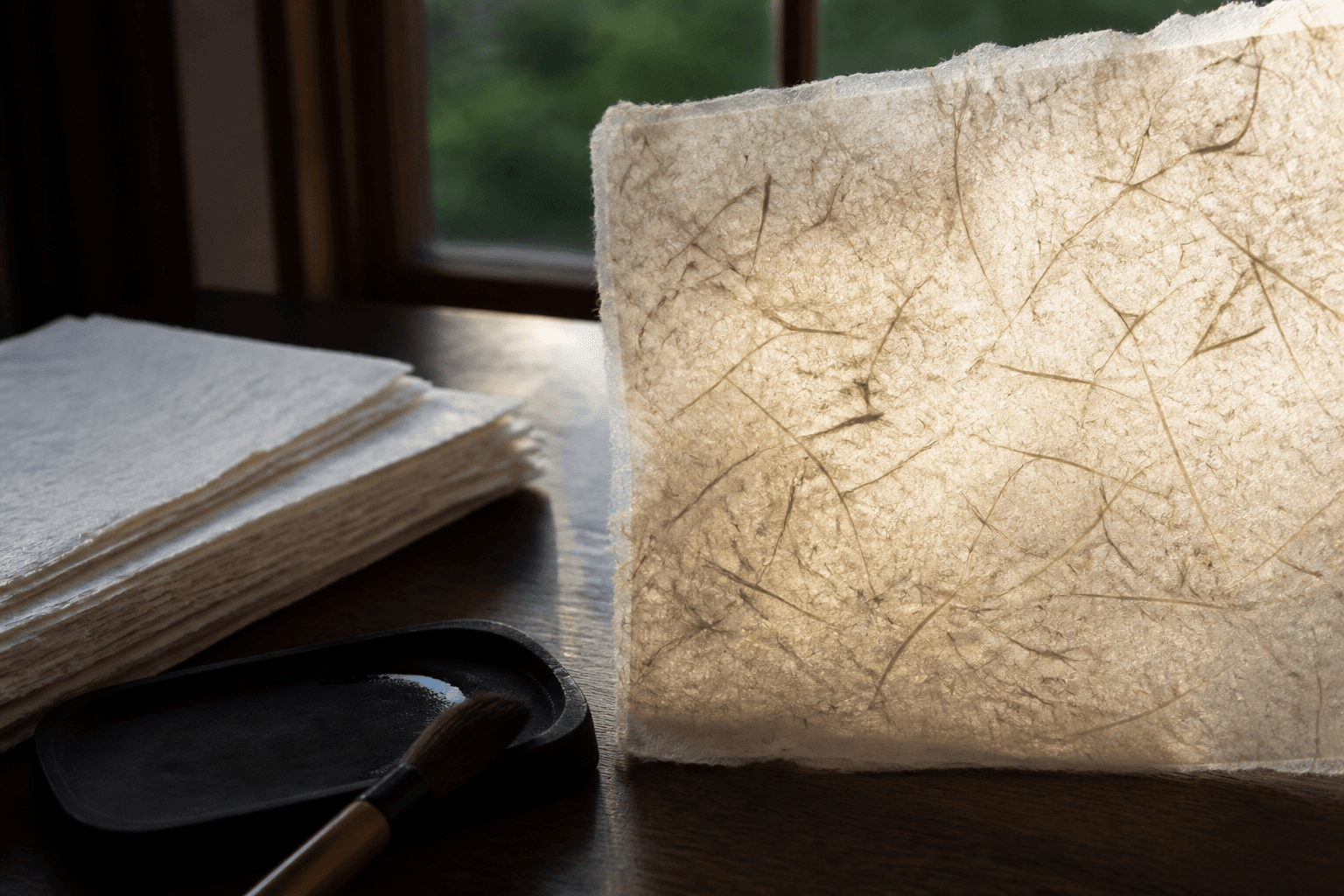
Material Culture · STORY 007
紙が、光と空間をつくる
In many Western contexts paper carries information. Washi also carries light, repairs objects, divides rooms, and changes the atmosphere of space.
The familiar wish for gentler light connects with a material built to diffuse it.
Japan · 10 min read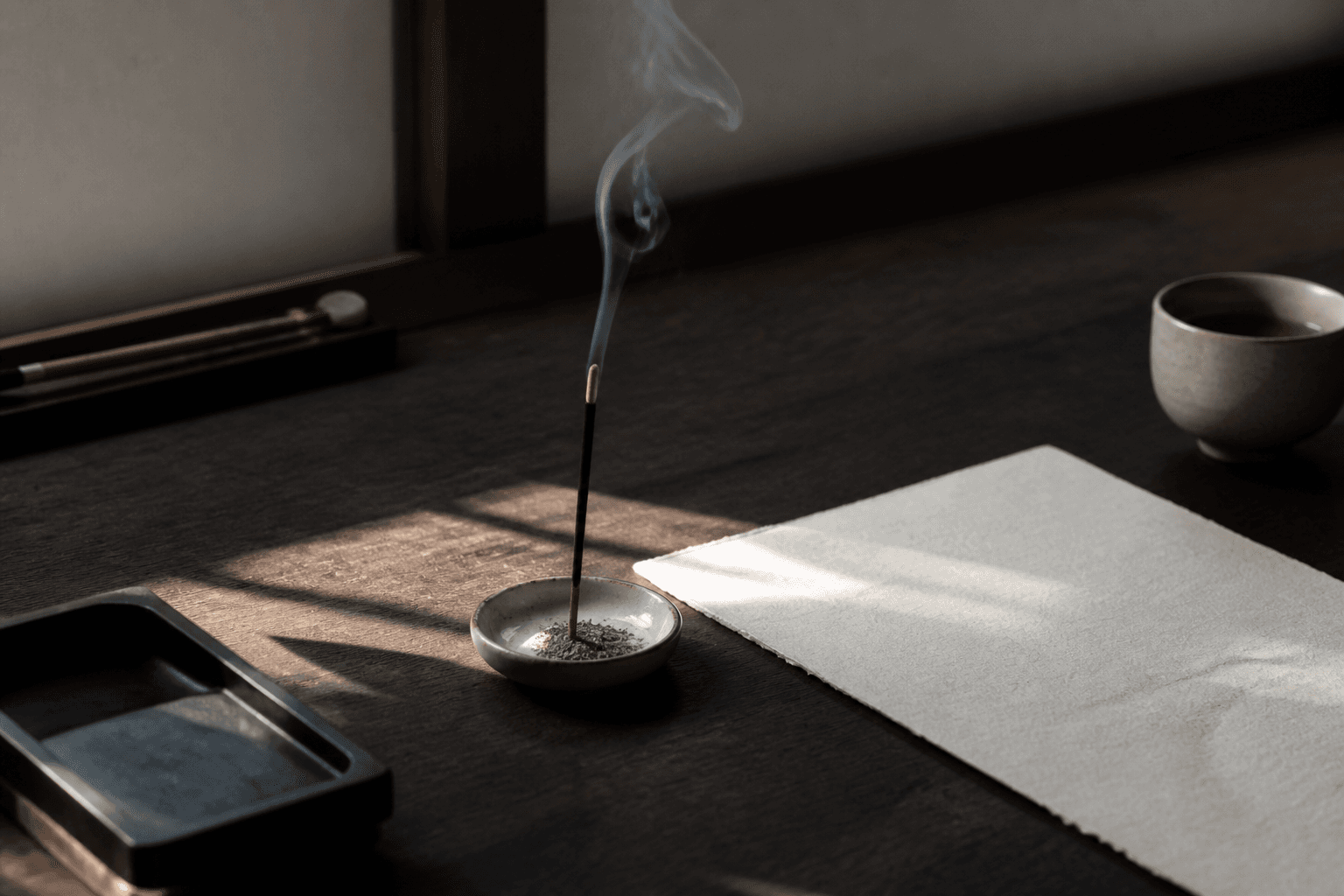
One Object, One Ritual · STORY 002
アラームのない時間
An incense stick gives a small piece of time a visible beginning and end—without a notification, score, or streak.
The familiar act of taking a pause gains a gentle material boundary; burn time depends on the actual stick.
Awaji Island, Hyogo · 8 min read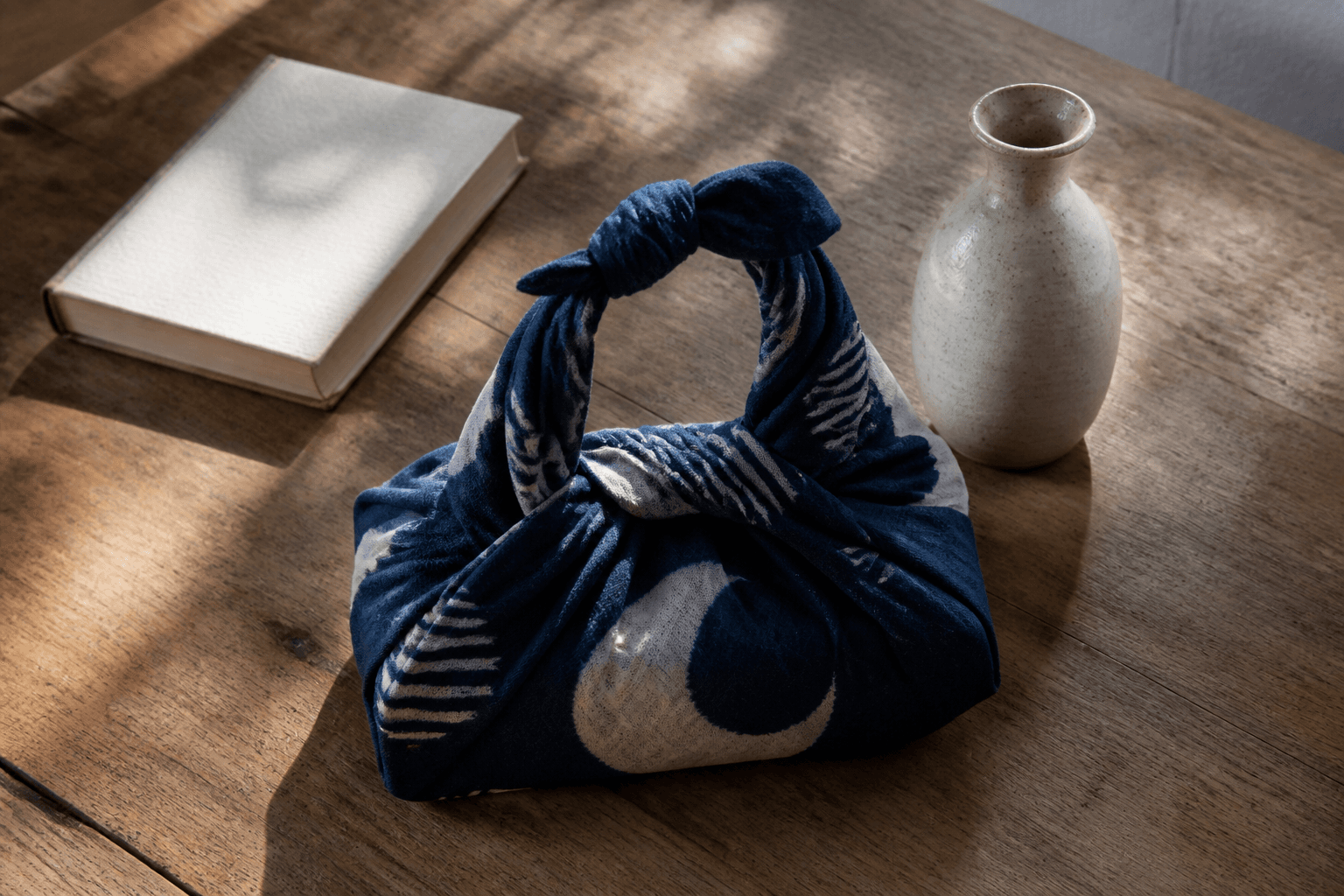
Culture Through Function · STORY 004
包みは、使い捨てなくていい
A square of cloth carries bottles, books, and gifts because its design does not decide the next use in advance.
The gift-giving act already exists; the wrapping can be kept and used again.
Japan · 9 min read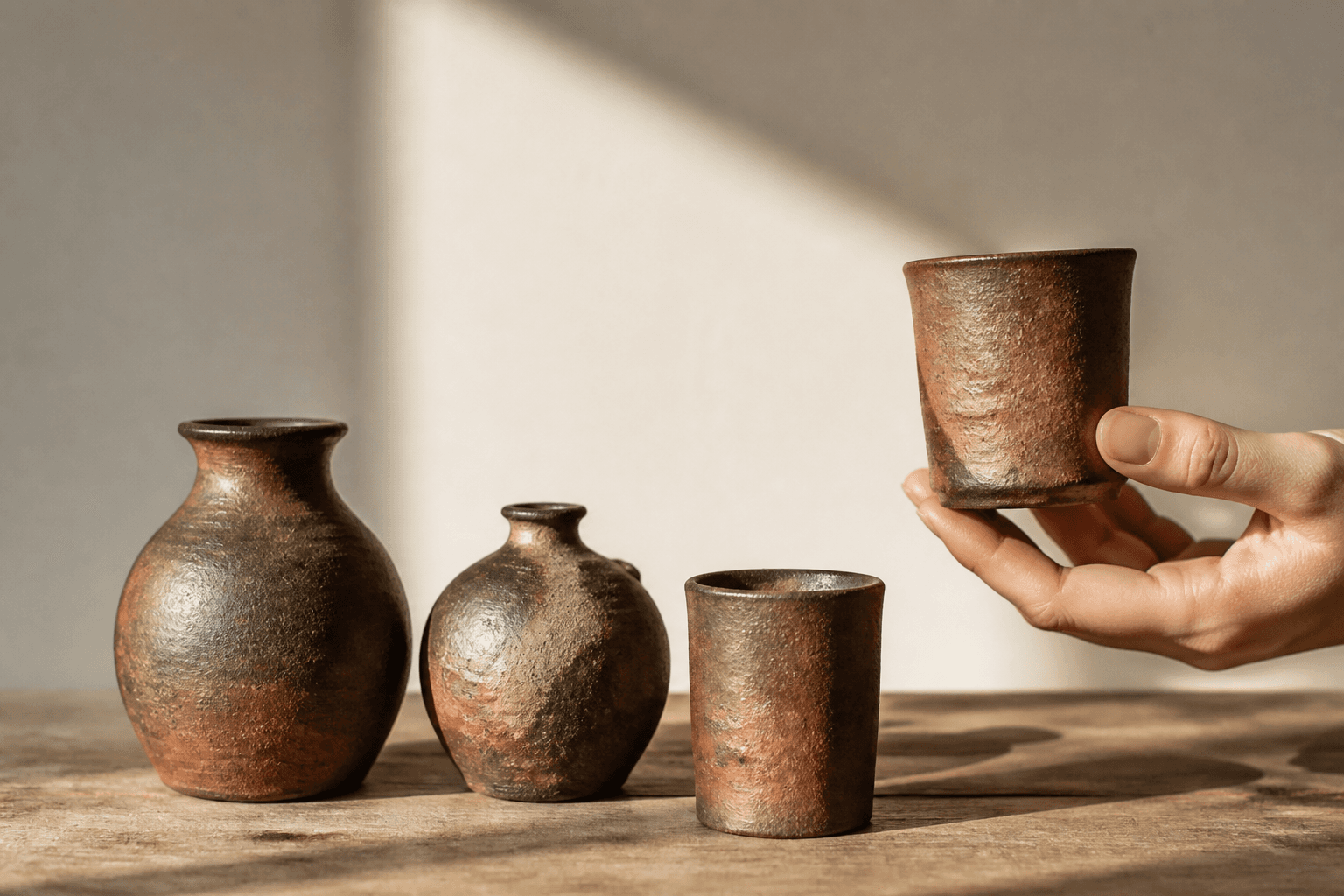
Editorial Essay · STORY 005
使うことで、工芸は今を生きる
A museum can protect an object. Repeated use keeps materials, orders, repair knowledge, and workshop skill in motion.
Everyday meals offer a reason to use, care for, and eventually commission craft again.
Bizen, Okayama · 10 min read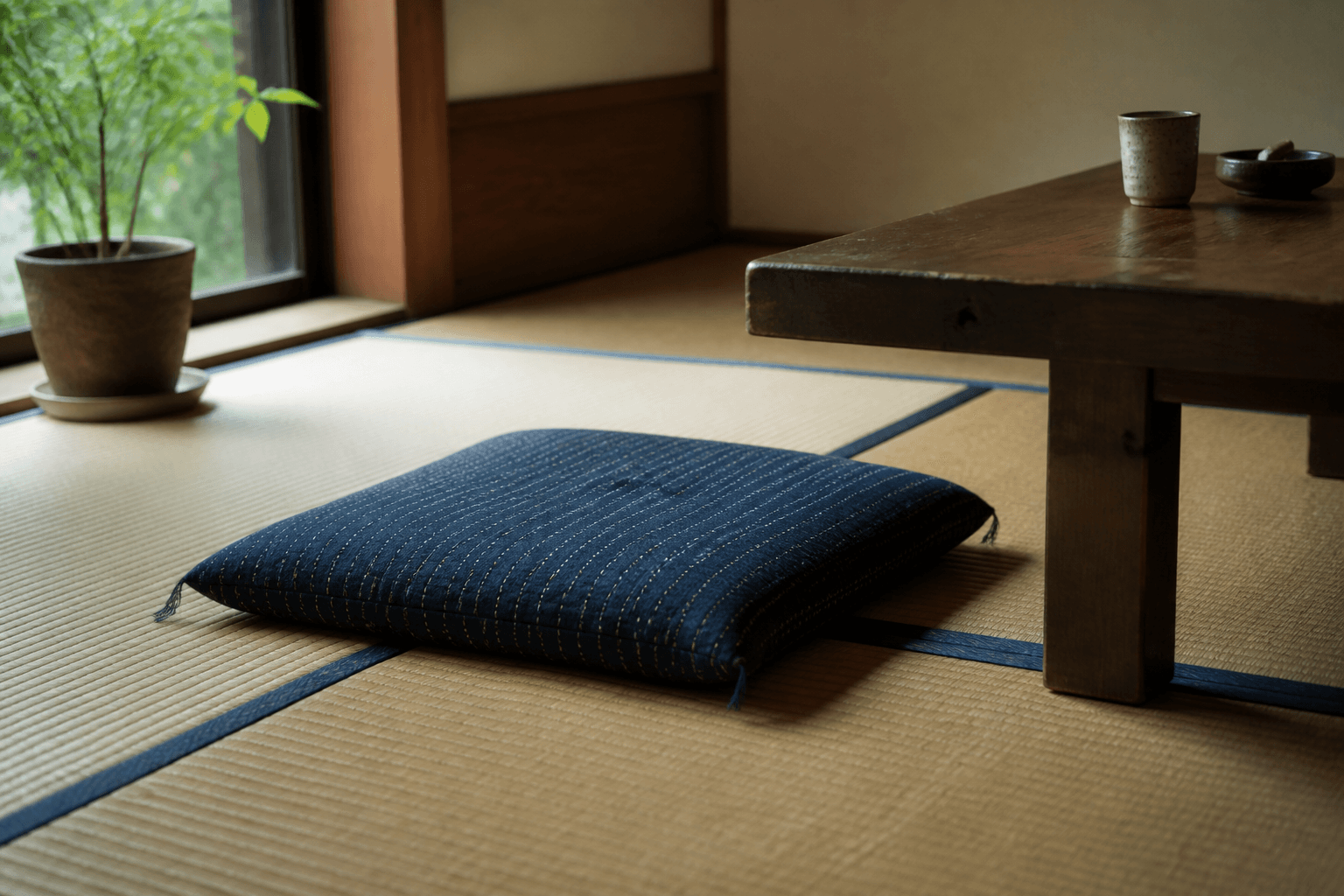
Culture Comparison · STORY 008
座布団と、用途を固定しない部屋
A chair assigns a place and posture. A zabuton supports a room whose furniture can appear, move, stack, and disappear.
A room that changes through the day can gain seating without permanent furniture.
Japan · 9 min read